August 3, 2026
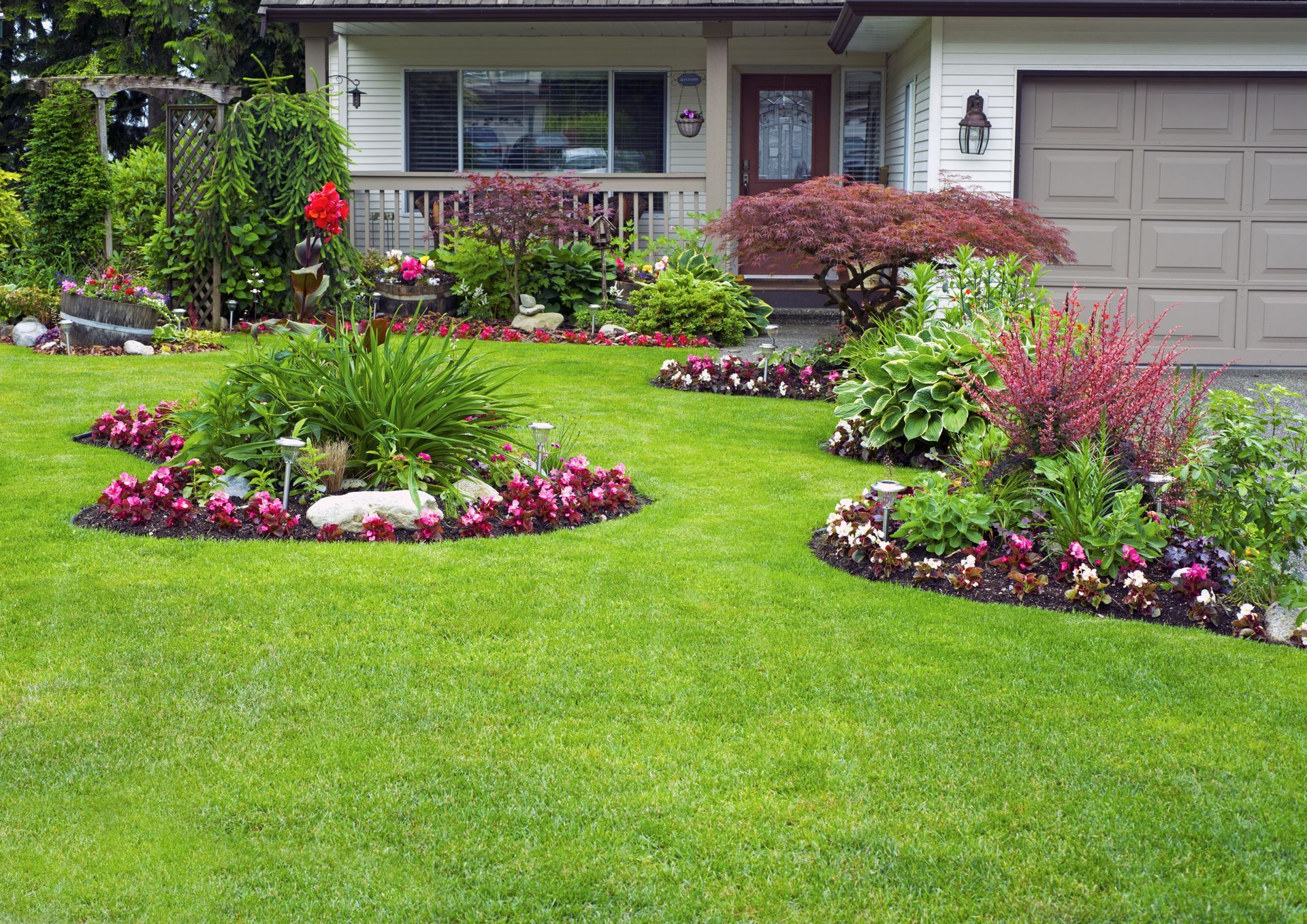
A beautiful exterior creates an inviting atmosphere for any residence. Property owners spend considerable effort planning outdoor spaces to maximize visual impact. A pristine lawn and distinct garden beds signify a pristine home. Achieving this aesthetic requires precise planning and premium materials. Visual harmony between the architecture and the surrounding garden establishes a cohesive estate appearance. Guests and passersby form initial impressions based on these exterior features.
Sourcing the correct materials determines the success of these outdoor improvements. Each distinct element contributes to the overall structural integrity of the yard. Finding the ideal landscaping supply ensures durable results for residential exteriors. Individuals must evaluate soil types, weather patterns, and architectural styles before purchasing materials. A strategic approach prevents premature deterioration of paths and planting beds. Careful material selection mitigates future repair costs.
Selecting Premium Mulch for Soil Health
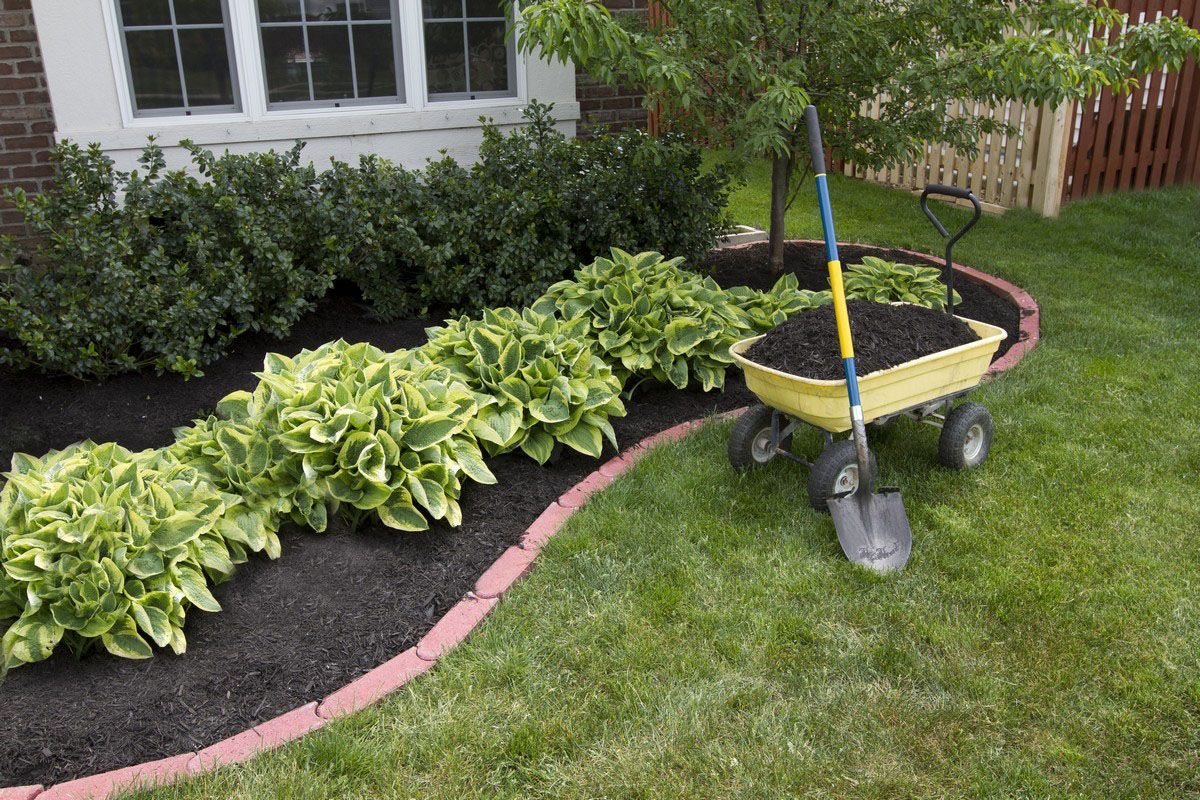
Mulch serves as a vital component for protecting vulnerable plant roots. Covering bare soil with organic matter prevents severe temperature fluctuations during harsh weather. Property owners can find distinct varieties of bark and wood chips at any comprehensive landscaping supply. Pine needles and cedar chips offer excellent aesthetic contrast against bright green foliage. The textured surface adds immediate visual interest to stark dirt patches.
Moisture retention remains a primary function of these wood products. Sun exposure evaporates ground moisture at a rapid pace during the summer months. A thick layer of bark traps morning dew and rain within the root zone. Plants require consistent hydration to produce vibrant flowers and robust foliage. Maintaining damp soil reduces the demand on irrigation systems. Conserving water resources benefits the local environment and reduces utility expenses.
Weed suppression provides a significant advantage for dedicated gardeners. Unwanted sprouts compete with established shrubs for vital nutrients and sunlight. Dark mulch blocks ultraviolet rays from reaching dormant weed seeds. Removing persistent weeds becomes a rare task when proper ground cover exists. Dense bark layers suffocate intrusive species before they establish deep roots. Maintaining pristine garden beds demands less physical labor.
Aesthetic uniformity brings a polished look to irregular planting areas. Dark brown or black wood chips create a distinct boundary against green lawns. The stark contrast highlights subtle colors in delicate flower petals. Fresh mulch emits a pleasant earth aroma while decomposing into rich compost. Defining specific zones with distinct colors organizes a sprawling yard. Replenishing the top layer each spring restores the vibrant color.
Choosing Elegant Pavers for Walkway Design
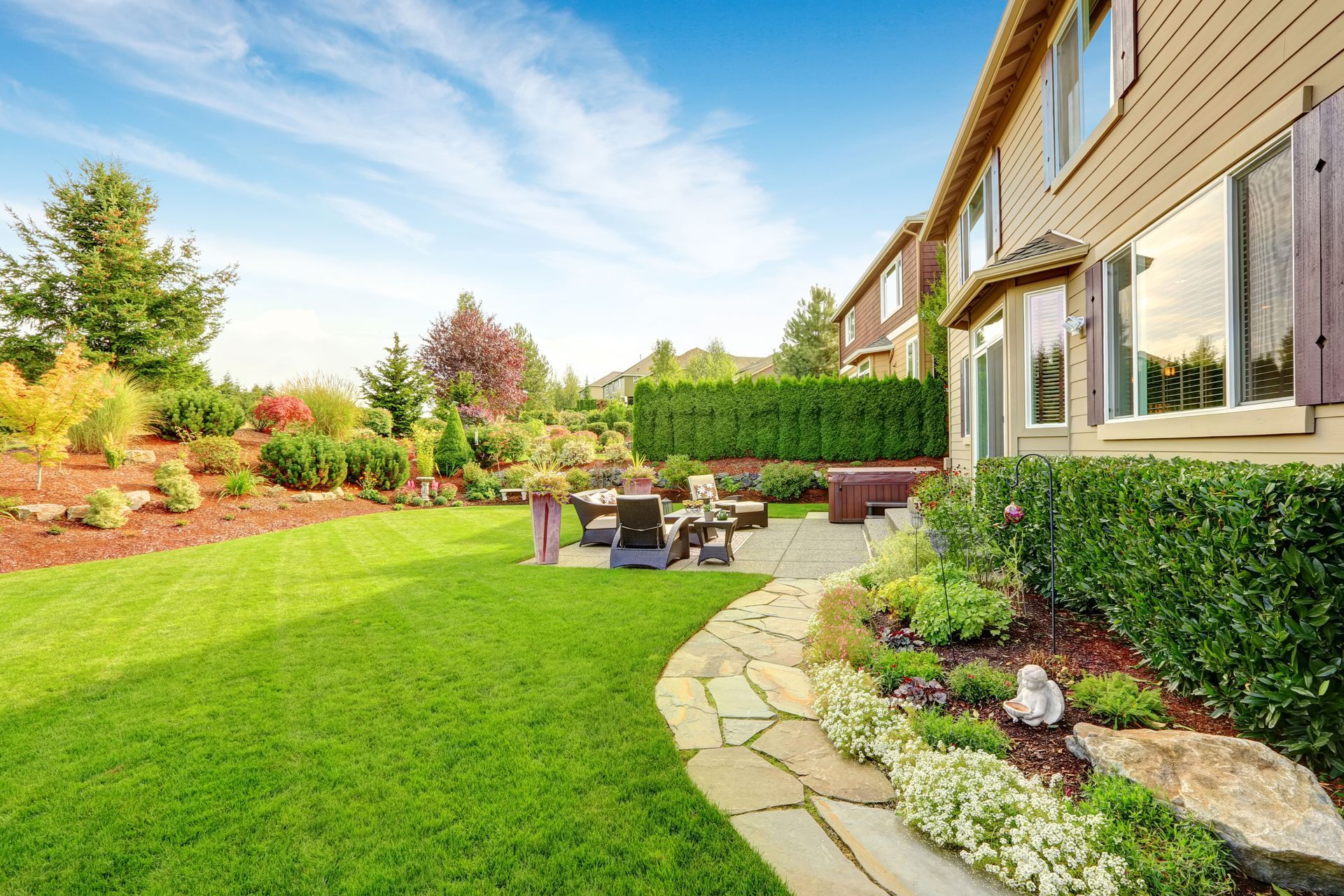
Hardscaping elements define the flow of foot traffic around a property. Stone and brick surfaces guide guests toward main entrances and backyard patios. According to Gitnux, the most common size for landscaping projects is 2,500 square feet. Organizing such a vast space requires sturdy materials to segment various functional zones. Clear paths prevent visitors from trampling delicate grass or fragile groundcovers.
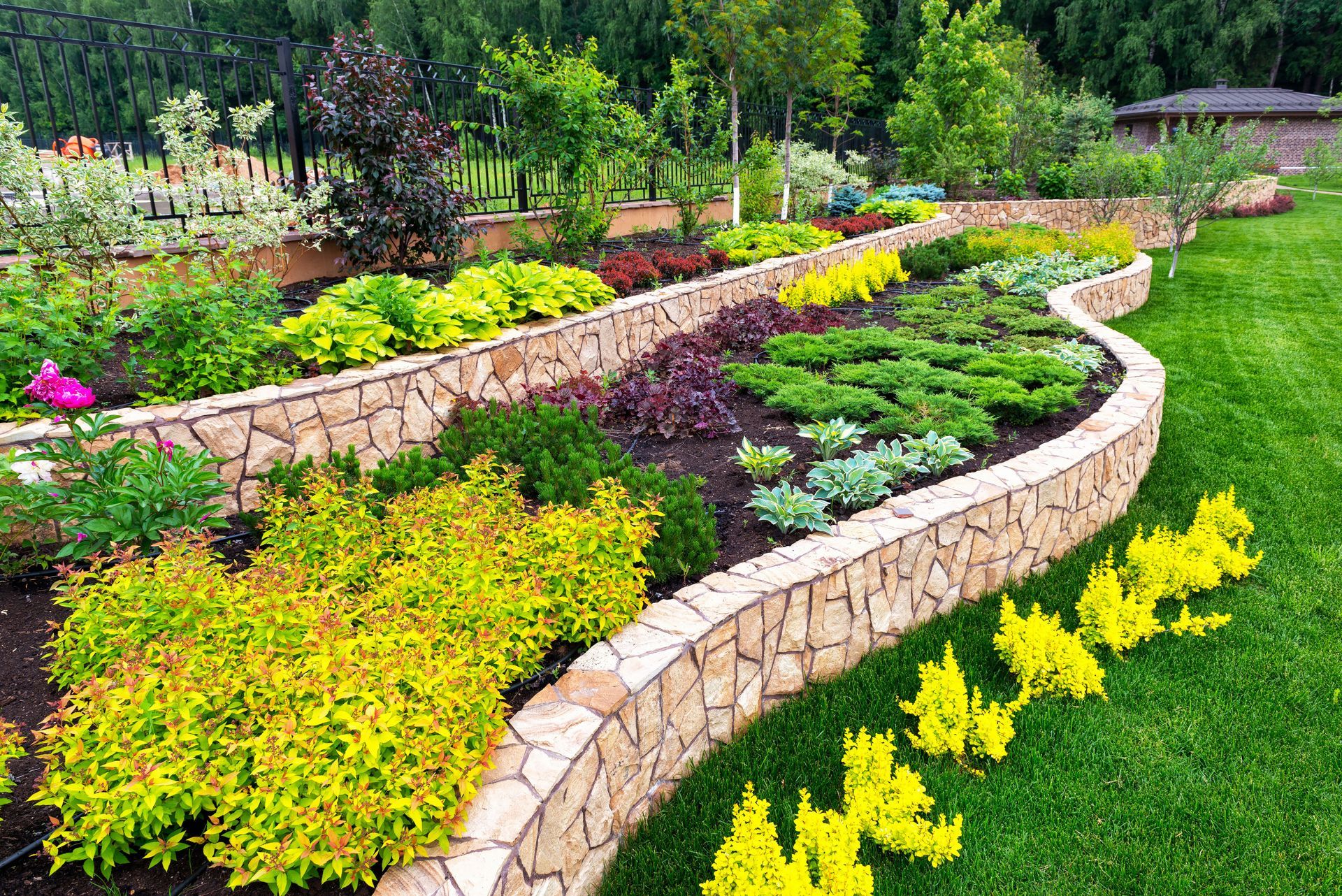
Natural flagstone and concrete bricks provide distinct textures for walkways. Individuals can arrange these sturdy pieces in intricate geometric patterns. Sourcing these heavy elements from a dedicated landscaping supply guarantees color consistency across the entire batch. Uniform hues prevent disjointed transitions between different yard segments. Mixing varied stone shapes creates a rustic cobblestone appearance. Smooth concrete slabs offer a modern aesthetic for contemporary homes.
Permeable surfaces offer a modern solution for poor drainage areas. Rainwater seeps through small gaps between the stones instead of pooling on the surface. Puddles damage fragile grass and create slipping hazards for residents. Proper runoff management preserves the underlying foundation of the house. Gravel joints allow excess moisture to return to the underground aquifer. Dry paths ensure safe navigation during autumn rainstorms.
Durability makes brick and stone an excellent investment for homeowners. Unlike timber, masonry resists rot and insect damage over decades of exposure. Occasional power washing removes moss and dirt from the textured surfaces. Solid pathways retain their structural shape despite heavy pedestrian usage. Sealing the stones prevents stains from fallen leaves or spilled beverages. Level surfaces accommodate rolling carts and garden equipment.
Utilizing Decorative Stone for Visual Contrast
River rock and crushed gravel provide striking textures that elevate ordinary outdoor spaces. Property owners utilize these hard elements to create distinct borders around delicate flowerbeds. The stark contrast between smooth pebbles and soft foliage draws immediate visual attention. Strategic placement highlights specific architectural features and mature tree trunks. Unlike organic ground covers, these solid materials resist decomposition and fading over prolonged exposure to the elements.
Selecting the appropriate gravel hue unifies the exterior color palette. Sourcing these heavy materials from a local landscaping supply delivers accurate color matching for extensive yard renovations. Gray river stones complement modern slate patios, while warm tan gravel enhances rustic brick exteriors. A thick layer of heavy pebbles prevents aggressive weed seeds from reaching the fertile earth below. This permanent barrier requires minimal physical maintenance to retain a pristine appearance.
Functional applications make gravel an essential component of comprehensive yard designs. Constructing a dry creek bed with large boulders directs excess rainwater away from fragile foundations. These rocky channels mimic natural streams and add a dynamic visual element during dry seasons. Fire pit areas benefit from noncombustible crushed stone bases to prevent accidental fires. Creating a serene rock garden transforms difficult terrain into a beautiful focal point.
Varying sizes and shapes determine the specific application for each rocky element. Smooth, rounded pebbles offer a gentle surface suitable for bare feet near swimming pools. Jagged granite chunks lock together to form stable surfaces for vehicular driveways. Mixing large boulders with medium gravel adds profound visual depth to flat landscapes. Proper installation with an underlying fabric barrier prevents the stones from sinking into the mud.
Procuring Nutrient-Rich Dirt for Garden Vitality
Establishing a verdant garden begins with a foundation of premium topsoil. Basic yard dirt lacks the essential nutrients required to sustain vibrant plant life. Property owners must evaluate the existing ground composition before installing new flowerbeds. Dense clay compacts around delicate root systems and prevents proper water absorption. Sandy areas allow moisture to drain at a rapid pace before roots absorb adequate hydration. Replacing poor soil with a balanced loam mixture creates an optimal growing environment. A healthy foundation encourages sturdy stems and brilliant blooms.
Compost offers a natural method to enrich depleted ground areas. Decaying organic matter releases vital minerals back into the earth over prolonged periods. Mixing dark compost into existing beds improves overall aeration and moisture retention. Microorganisms thrive in these organic environments and break down complex compounds for plant consumption. Gardeners observe vigorous growth patterns after incorporating these rich amendments. Strong roots anchor heavy bushes and prevent wind damage during severe weather. Earthworms migrate toward fertile ground and aerate the underground structure.
Raised planters require specific blends to ensure adequate drainage and structural support. Standard ground dirt compresses within wooden frames and suffocates tender vegetable roots. Specialized container mixtures incorporate perlite and peat moss to maintain a lightweight consistency. Potted shrubs demand similar care to thrive within confined spaces. Using the proper dirt blend prevents root rot and fungal diseases. Flourishing container gardens add bright accents to wooden decks and stone patios. Elevated beds provide accessible gardening options for individuals with limited mobility.
Leveling uneven lawns demands a distinct type of fill dirt to achieve a smooth surface. Sunken areas collect stagnant rainwater and create breeding grounds for local pests. Applying a heavy clay-based aggregate fills deep holes and provides a stable base for new grass seed. This dense material resists erosion during heavy rainstorms. A flat yard accommodates recreational activities and outdoor furniture without awkward angles. Uniform lawns present a manicured appearance that elevates the entire property facade. Proper grading directs excess moisture away from the residential foundation.
Combining organic matter, sturdy walkways, heavy gravel, and nutrient-rich earth produces a spectacular exterior. Synergy between soft greenery and hard masonry defines professional yard design. Procuring items from a reputable landscaping supply provides the necessary foundation for these ambitious improvements. Meticulous attention to detail elevates a standard plot into a breathtaking estate. Cohesive planning weaves disparate elements into a unified masterpiece. A striking facade sets a standard of excellence for the entire neighborhood. We founded Britt's Landscaping Supplies to provide the exact materials required to elevate your outdoor space. Visit our yard to select the ideal landscaping supply for your residential project.