August 12, 2026
Outdoor environments serve as vital extensions of modern living spaces, offering places for relaxation, entertainment, and personal expression. Designing an outdoor area requires careful thought, strategic planning, and a deep understanding of spatial balance. When property owners embark on a property enhancement journey, hiring a professional landscaping service can transform standard outdoor spaces into captivating visual masterpieces. Every property presents unique dimensions and challenges, making tailored site management essential for long-term success. By approaching property development with clear spatial goals, homeowners can ensure that every yard feature serves a distinct function while harmonizing with the surrounding architecture. Understanding how site size dictates layout options is the fundamental baseline for any outdoor makeover. From structural hardscapes to living elements, modern design techniques make it possible to maximize usability without causing overcrowding or visual chaos.
Evaluating Spatial Dynamics for Ideal Layouts
Analyzing property dimensions forms the foundation of any successful outdoor design strategy. Before installing plants, building hardscape features, or setting up patio areas, design specialists must assess how human movement flows through the available physical environment. Proper spatial evaluation ensures that functional zones remain open, accessible, and balanced. According to findings published by Gitnux, a standard residential outdoor makeover typically covers an area of 2,500 square feet. Managing an area of this specific size demands precise planning to balance green turf, paved areas, and architectural plantings effectively.
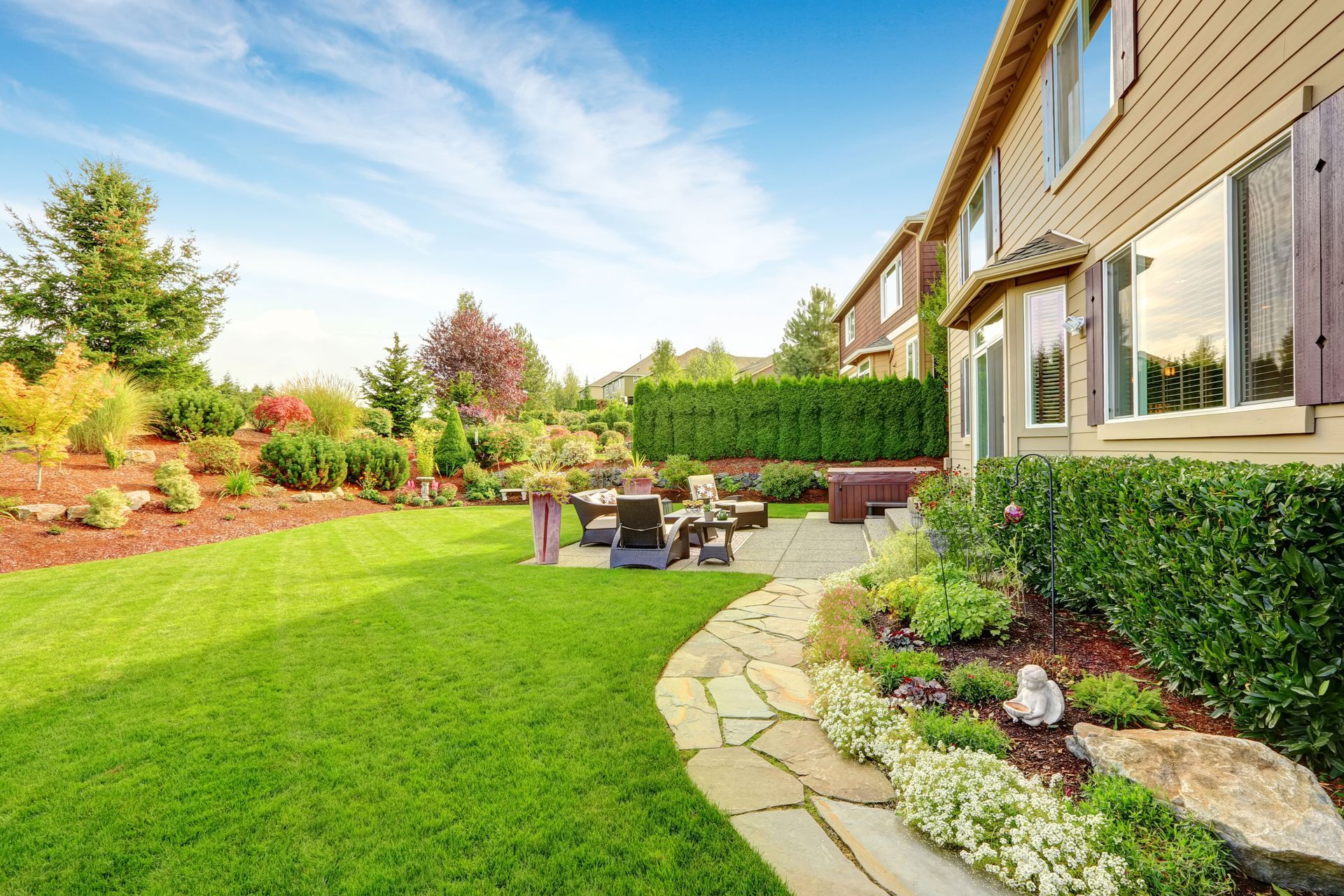
When designing within these dimensions, a skilled landscaping service knows how to maximize footprint efficiency without creating cluttered sightlines. Every piece of ground space must serve a purpose, whether designated for active recreation, quiet relaxation, or structural aesthetic framing. Design professionals accomplish this equilibrium by utilizing designated focal points, structural pathways, and distinct outdoor living zones. By dividing the yard into deliberate geometric sub-sections, homeowners avoid wasting valuable ground area while maintaining an expansive, open feel across the entire property footprint.
Understanding geometric scale allows property owners to select structural components that match the proportions of the land. Overly large features can overwhelm a yard, making open areas feel constricted and cramped. Careful measurement and spatial mapping ensure that patio surfaces, garden borders, and lawn areas exist in perfect structural harmony, providing smooth transitions between hardscape structures and living foliage across the entire property.
Selecting Appropriate Vegetation for Medium Spaces
Plant selection plays an indispensable role in shaping the atmosphere and upkeep demands of any property design. Choosing foliage that matches the dimensions of the lot prevents overcrowding as trees and shrubs mature over time. Selecting species with compact growth habits or vertical growth trajectories allows property owners to enjoy lush greenery without overwhelming ground coverage. Deep roots and spreading canopies must be balanced against hardscape boundaries to prevent future root damage to sidewalks and structural foundations.
Furthermore, engaging a quality landscaping service ensures that plant species are selected based on localized soil conditions, shade patterns, and climate tolerance. Incorporating perennial flowering plants alongside evergreen shrubs creates multi-season visual interest without requiring expansive turf areas. Layering plants by height—placing taller trees along rear boundaries and lower ground cover near primary seating zones—builds architectural depth. This layered strategy draws the eye upward, visually expanding the space felt within the physical boundaries of the yard.
Integrating Functional Outdoor Living Zones
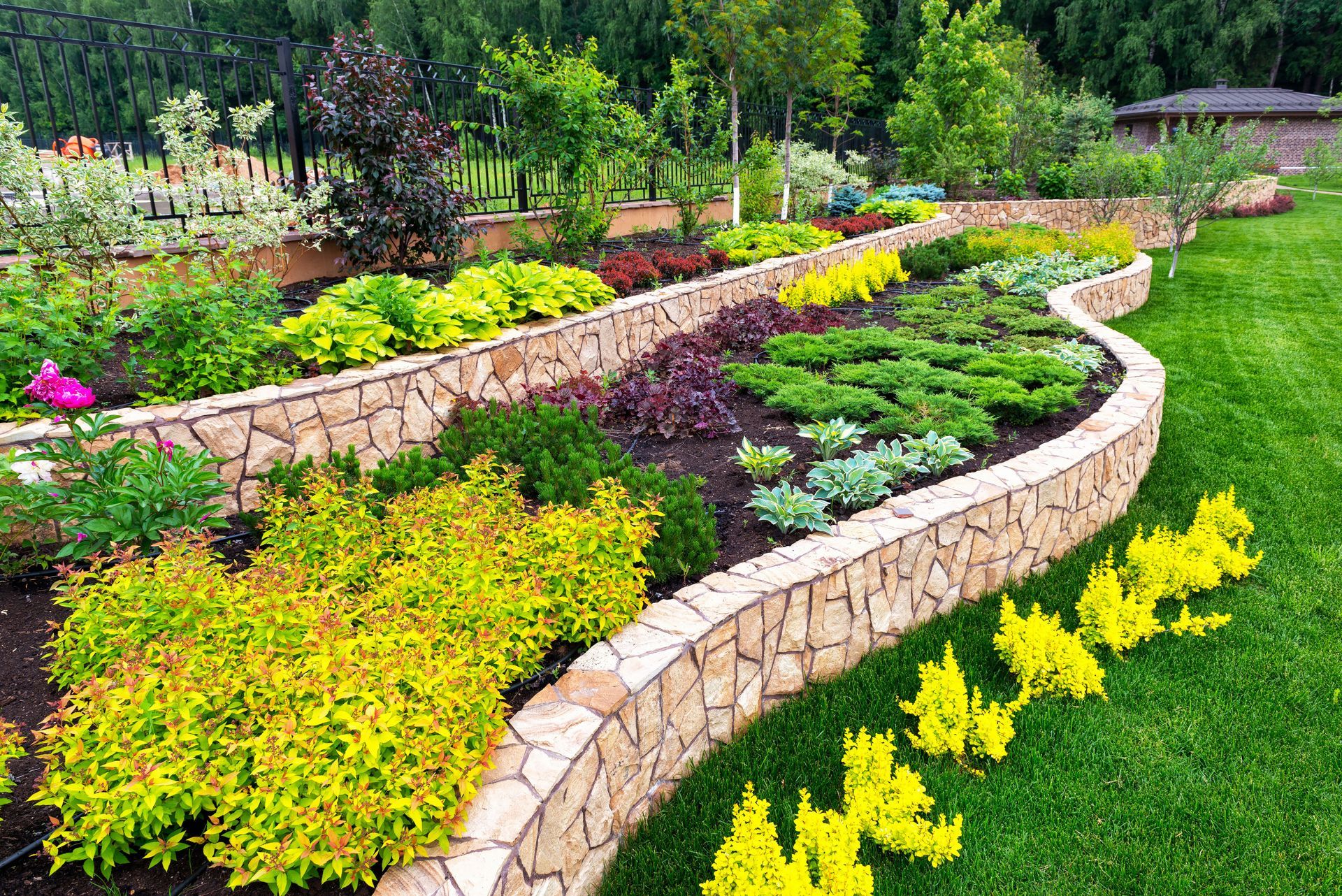
Modern outdoor architecture prioritizes creating livable spaces that extend everyday home activities into the fresh air. Establishing designated outdoor rooms—such as dining areas, lounge space, or cooking stations—gives the property purpose and structured organization. The key to successfully implementing these features lies in defining clear transitions between hardscape structures and natural turf elements. Retaining walls, timber decking, and decorative paver stones act as physical frames that separate distinct zones.
In addition, partnering with an experienced landscaping service allows homeowners to seamlessly incorporate functional elements like outdoor kitchens or seating walls into compact dimensions. Careful spatial placement prevents heavy stone features from consuming excessive green area. Incorporating multi-functional amenities, such as retaining walls that double as integrated seating or elevated planters that serve as privacy screens, optimizes physical ground coverage. This thoughtful integration maximizes utility, allowing families to enjoy versatile outdoor lifestyle choices regardless of overall property boundaries.
Implementing Efficient Irrigation and Drainage Systems
Sustainable landscape maintenance requires robust hidden infrastructure that supports plant health while managing water runoff. Water management systems must be engineered specifically to accommodate property topography, soil composition, and plant distribution. Poor water drainage can lead to soil erosion, standing water accumulation, and structural damage to nearby foundations or paving. Implementing precise grading techniques ensures that excess rainwater flows safely away from primary living zones and foundation walls.
Simultaneously, a dedicated landscaping service focuses on installing automated irrigation solutions tailored to specific planting zones. Drip irrigation lines deliver water directly to root systems, minimizing evaporation losses and preventing overwatering in dense plant beds. Smart controllers monitor local weather patterns to adjust watering schedules automatically, reducing unnecessary water consumption. By establishing proper underground drainage and targeted irrigation networks, properties maintain vibrant, healthy vegetation while protecting structural hardscape components from water damage over time.
Maintaining Visual Balance Across the Entire Yard
Visual harmony depends on the intentional balance between organic elements and structural hardscapes within the domestic landscape. Striking the ideal proportion between green space, such as lawns or gardens, and solid surfaces like stone patios or walkways prevents the property from feeling overly sparse or chaotic. Proportionate design relies on scale, ensuring that decorative features fit comfortably within the property perimeter without overwhelming adjacent architecture.
Moreover, working alongside a premier landscaping service helps property owners select complementary colors, textures, and materials that harmonize with the home exterior. Using consistent stone patterns or repeating specific plant colors across different garden beds creates cohesive visual continuity. Focal points, such as ornamental trees, custom water features, or decorative light fixtures, pull visual focus through the space, making the layout feel intentionally designed. Proper spatial proportion guarantees that all landscape elements work together in aesthetic unity.
Enhancing Curb Appeal Through Strategic Design
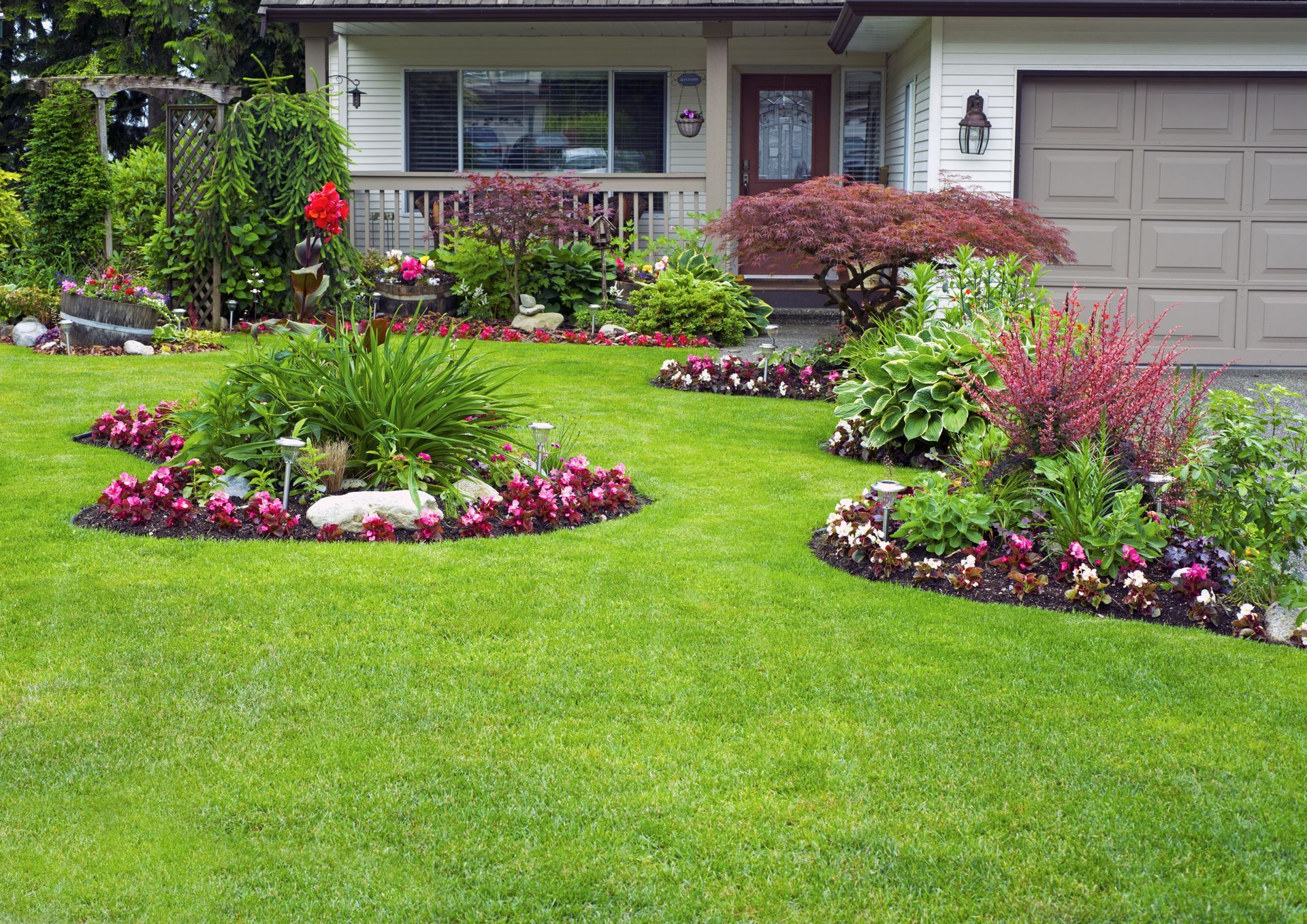
First impressions of a residential property stem largely from front yard design and street-facing curb appeal. Enhancing front lawn areas requires balancing clean lines, welcoming pathways, and attractive biological elements. Clear pedestrian walkways constructed from natural stone or brick pavers guide visitors gracefully toward the entrance, while frame plantings accentuate architectural entryways. Minimalist design choices often yield the most striking results, keeping front elevations uncluttered and inviting.
Additionally, choosing a reliable landscaping service provides access to professional lighting design techniques that highlight key features after sunset. Low-voltage lighting installed along garden pathways, beneath tree canopies, and around architectural accents adds dramatic warmth while improving security and safety. Strategic illumination emphasizes depth, texture, and structural details during evening hours, effectively extending the visual appeal of the home around the clock.
Creating a beautiful, functional, and enduring outdoor environment requires combining thoughtful spatial planning, appropriate plant choices, quality construction materials, and ongoing care. Every design decision—from managing water runoff to choosing hardscape materials—directly impacts how an outdoor space performs and looks over time. Proper design strategies unlock the full potential of residential properties, converting standard yard dimensions into versatile sanctuaries for outdoor enjoyment. Prioritizing structured balance ensures that the outdoor space remains a source of pride and relaxation for years to come.
If you are ready for a complete outdoor transformation that elevates your property layout, contact us at Britt's Landscaping Supplies today. We will help you select top-quality materials and professional resources needed to build your dream landscape.