April 8, 2026
In landscaping, mulch often remains an overlooked hero, yet it offers a plethora of benefits that should not go unnoticed. This article delves into the myriad advantages of incorporating mulch into your landscaping projects, highlighting why it deserves the top spot on your landscaping supply list.
Mulch serves multiple purposes that enhance both the aesthetic and functional aspects of any garden project. In addition to improving the visual appeal, mulch also plays numerous roles in maintaining the health and sustainability of the garden ecosystem. As we explore these various advantages, it will become evident why mulch should be a priority in your landscaping undertakings.
1. Enhances Soil Health
Mulch is a key player in upgrading soil health, primarily through its natural decomposition process which gradually enriches the soil. As organic mulch breaks down, it releases essential nutrients such as nitrogen, phosphorus, and potassium into the soil, benefiting plant growth. This nutrient cycle is vital for maintaining a robust and fertile environment, reducing the need for chemical fertilizers. Moreover, mulch acts as a natural amendment to improve soil texture and overall fertility. Incorporating mulch into your landscaping routine can thus promote healthier soil with reduced reliance on synthetic additives.
Apart from boosting soil nutrients, mulch is crucial in enhancing the soil structure. By preventing soil compaction, it allows air to circulate freely, ensuring roots receive adequate oxygen. This aeration is pivotal in promoting strong root systems and fostering overall plant health. Furthermore, the layer of mulch acts as a protective barrier, shielding the soil from heavy rain impacts which can cause erosion. Consequently, using mulch improves soil resilience and longevity, ensuring a sustainable gardening environment by having it in your landscaping supply.
Mulch is instrumental in fostering a rich environment for microbial activity, essential for a thriving garden ecosystem. The decomposition of mulch provides a habitat and food source for beneficial microorganisms, which in turn promote plant health. These microorganisms break down organic matter into simpler forms, making nutrients more accessible to plants. Additionally, by regulating pH levels, mulch creates an ideal setting for these microbes to thrive, balancing soil acidity. Consequently, the inclusion of mulch in your landscaping supply encourages a vibrant, living soil environment that supports plant vitality.
2. Conserves Water
Water conservation is another compelling reason to prioritize mulch in your landscaping. By forming a protective cover over the soil, mulch minimizes water evaporation, keeping moisture levels consistent. This is particularly advantageous in hotter climates where water loss through evaporation can be significant. According to LawnStarter, one cubic yard of mulch can effectively cover 108 square feet at a depth of 3 inches, providing a substantial barrier against water loss. Thus, mulch serves as a resourceful means to optimize water use, minimizing wastage and enhancing plant hydration.
Furthermore, mulch is pivotal in maintaining soil moisture, reducing the frequency of watering needed. As mulch retains water, it ensures that plants have a consistent supply of moisture, even in dryer spells. This moisture retention capacity makes it easier for gardeners to manage water resources effectively. By reducing the necessity for frequent irrigation, mulch can significantly cut down on water consumption and associated costs. Overall, this contributes to more sustainable and economical gardening practices.
In addition to conserving water, mulch enhances the soil's water-holding capacity, which is crucial during drought conditions. By improving soil texture and organic content, mulch aids in water infiltration and retention. This capability ensures that even during periods of low rainfall, plants can access the water they need to thrive. These qualities make mulch an excellent tool for supporting plant resilience against climate variability, boosting their ability to cope with dry spells. By prioritizing mulch in your landscaping supply, you invest in a more water-efficient and adaptable landscaping environment.
3. Suppresses Weeds
Mulch acts as a robust barrier against weeds, reducing the need for constant maintenance in garden areas. By blocking sunlight, mulch prevents weed seeds from germinating and establishing themselves in your garden. This sunlight deprivation inhibits weed growth, allowing desirable plants to capture nutrients without competition. Subsequently, gardens with mulch are less likely to experience the rampant spread of unwanted plants. This robustness makes mulch a vital tool in effective and efficient weed management.
Moreover, a thick layer of mulch can prevent new weed emergence by creating a physical barrier over the soil. This barrier is particularly effective in preventing light weed seeds from sprouting and taking root. As a result, gardeners can enjoy clearer garden beds with less manual weeding required. This not only reduces the reliance on chemical weed killers but also makes garden management less labor-intensive. Ultimately, mulch saves both time and effort in keeping gardens neat and weed-free.
By effectively suppressing weeds, mulch allows for a more balanced and healthy ecosystem within the garden. With reduced competition from weeds, plants have increased access to the necessary nutrients and water. This encourages robust plant growth and more prosperous yields, enhancing the overall health of the landscape. This benefit supports a more vibrant garden environment where desired plants can flourish. Therefore, mulch serves not only as a weed deterrent among your landscaping supply but as a facilitator of a more productive garden ecosystem.
4. Regulates Soil Temperature
One of the less appreciated but crucial benefits of mulch is its role in regulating soil temperature. Acting as an insulating layer, mulch maintains a steady temperature around plant roots, which is particularly important during temperature extremes. In hot weather, mulch keeps the soil cooler, preventing roots from overheating. Conversely, during cold weather, mulch retains soil heat, safeguarding roots from frost damage. This insulation capability extends the growing season and enhances conditions for year-round plant health.
Moreover, mulch plays a significant role in reducing temperature fluctuations in the soil. Rapid temperature changes can stress plants, impacting their growth and productivity. By stabilizing soil temperatures, mulch creates a consistent environment that is beneficial for plant development. This consistency is especially vital for young or newly planted species that are more vulnerable to temperature variations. Consequently, mulch supports healthier plant growth by buffering against the adverse effects of climate extremes.
Additionally, mulch helps protect delicate plants from the damaging effects of frost and extreme temperatures. Young seedlings, in particular, benefit from the protective cover provided by mulch as they acclimate to their surroundings. By mitigating these environmental stresses, mulch supports more successful plant establishment and growth, reducing the likelihood of frost damage. This feature of mulch not only helps maintain a beautiful and thriving garden but also ensures that planting efforts are not in vain. Overall, mulch contributes to a more resilient and enduring landscape, able to withstand climatic challenges.
5. Enhances Aesthetic Appeal
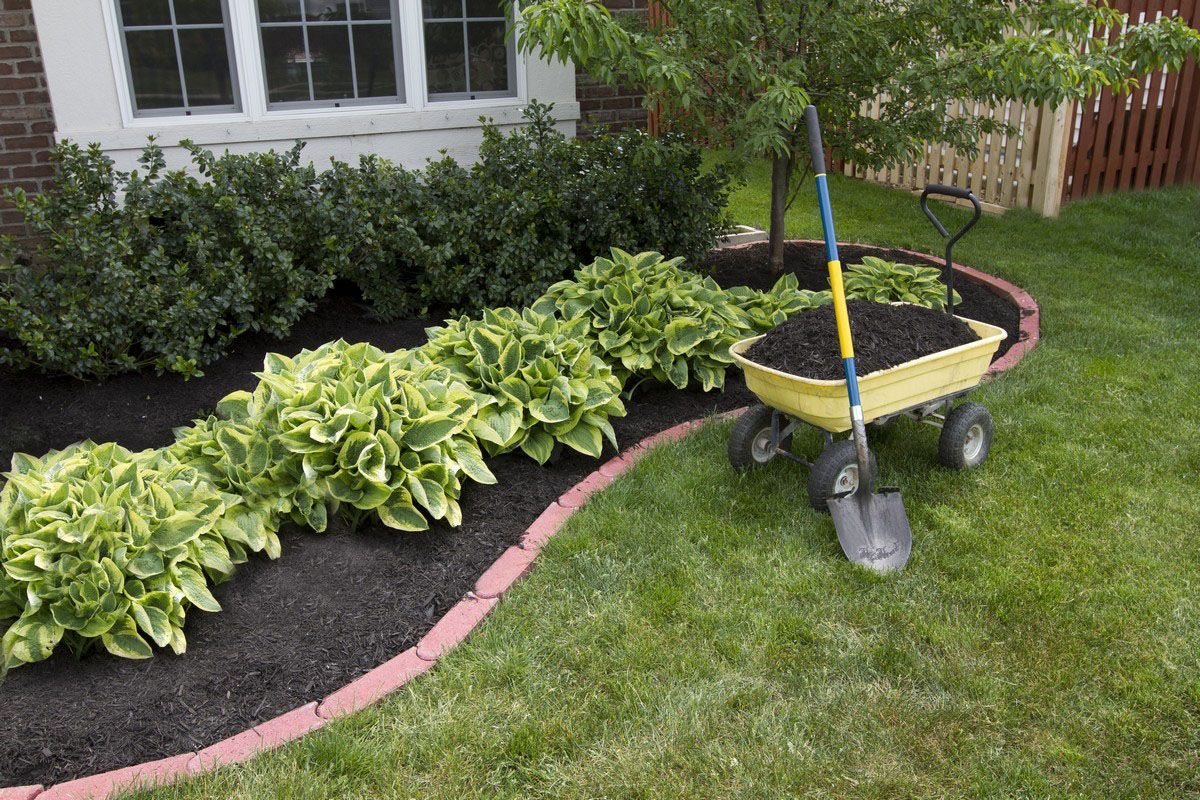
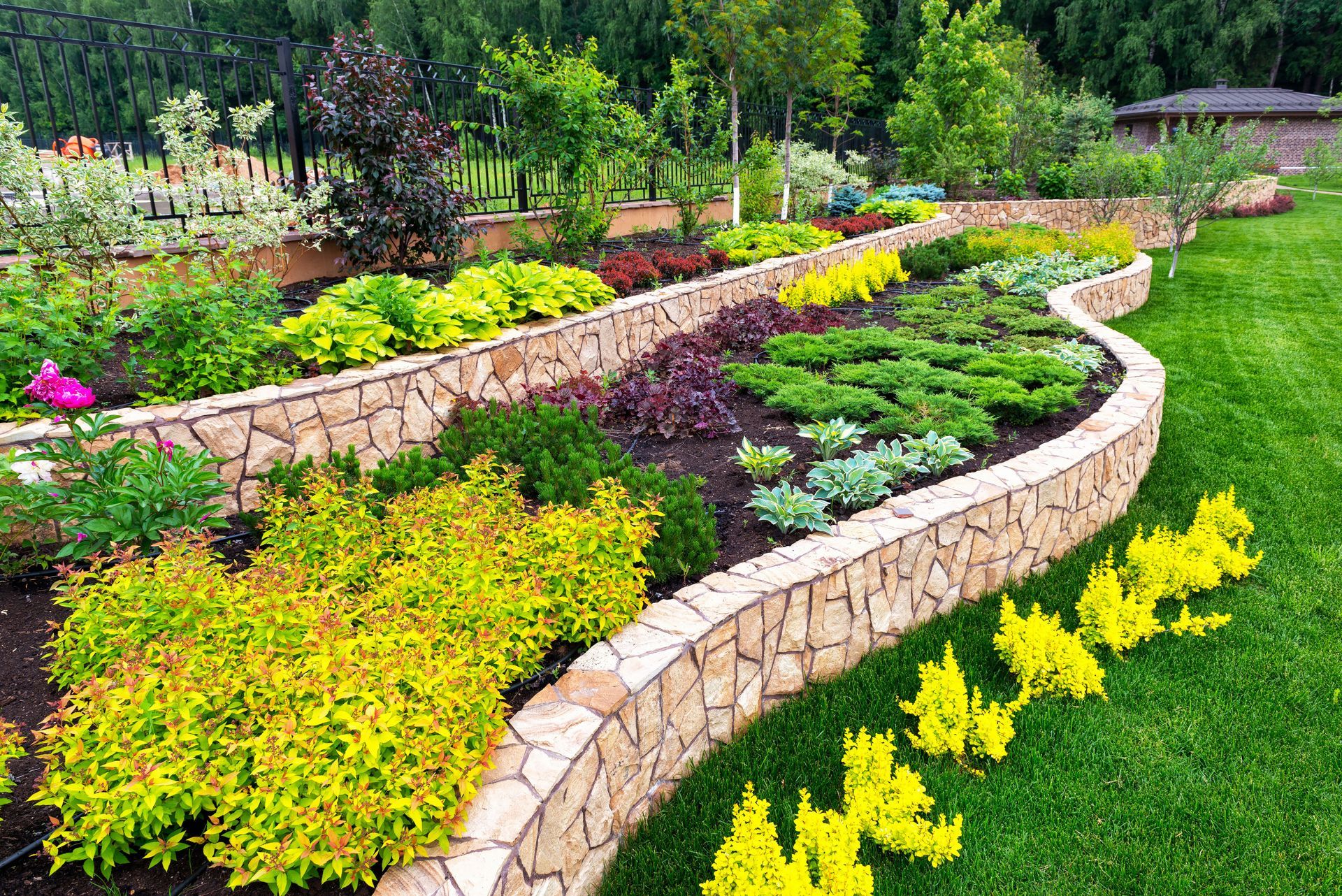
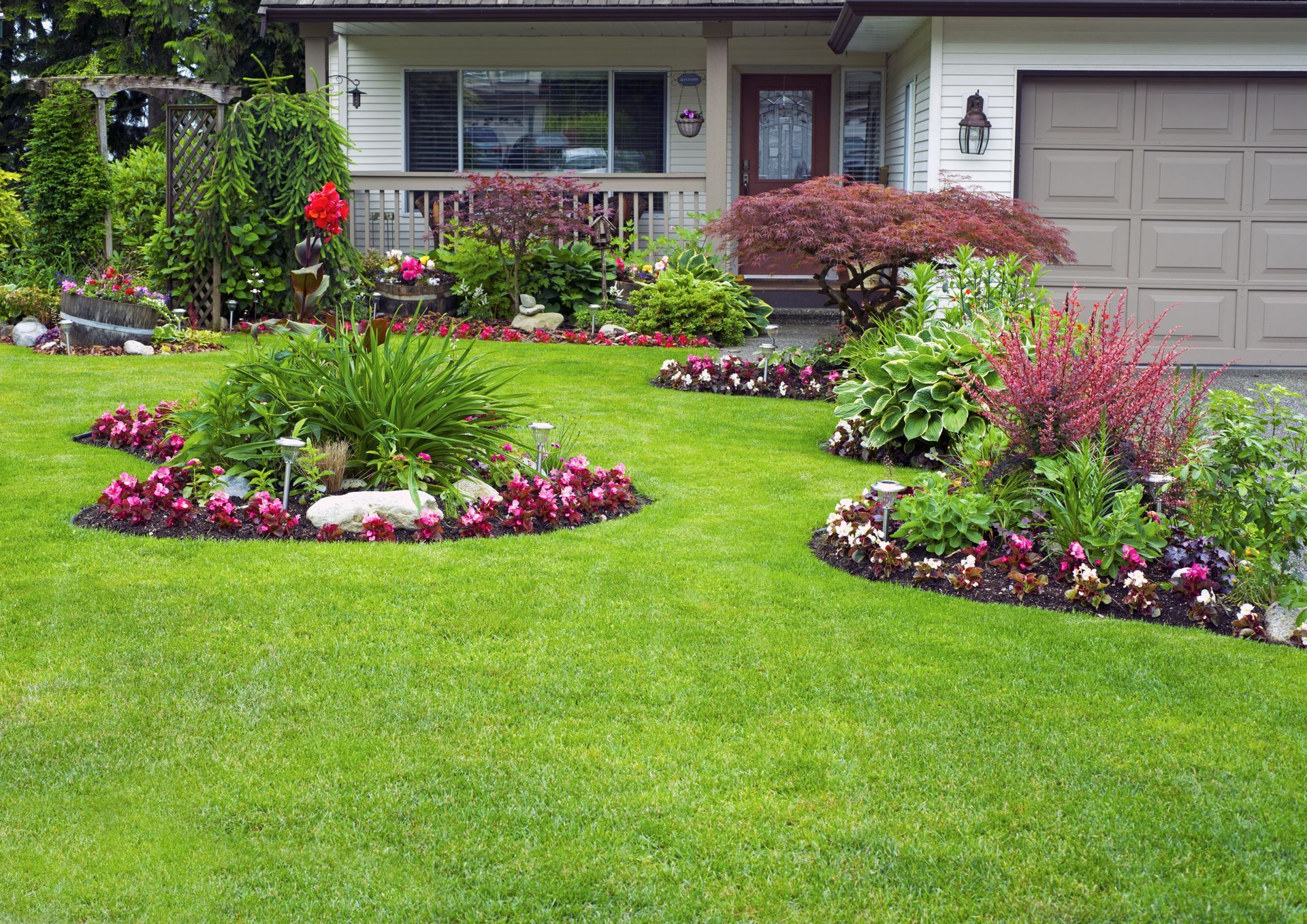
Beyond its functional benefits, mulch significantly enhances the visual appeal of landscaping projects. By providing a uniform and tidy appearance, mulch adds a polished look to garden beds and landscape features. This consistency is aesthetically pleasing, creating an inviting atmosphere in residential or commercial spaces. Moreover, mulch can define garden lines, highlighting the design and layout of the landscape. Its ability to tidy up the overall appearance makes mulch an essential tool in landscape design and presentation.
The variety of colors and textures available in mulch options further allows for creative expression and landscape customization. From rich browns to vibrant reds, mulch can complement natural elements and architectural features within the landscape. This variety enables landscapers to match mulch with their design themes, adding depth and contrast to garden settings. The textures of mulch, ranging from coarse bark to finely shredded wood, add another dimension to landscape aesthetics. Such diversity in options allows for creativity and flexibility in achieving desired visual outcomes.
Mulch serves as a multifunctional component of any well-maintained landscape. From its role in conserving water and suppressing weeds to enhancing aesthetic appeal and supporting eco-friendly practices, mulch is an invaluable resource. By prioritizing mulch in your landscaping supply list, you're investing in the health, beauty, and sustainability of your garden or landscape. Mulch stands as an indispensable resource for achieving vibrant, efficient, and sustainable landscaping outcomes. As we have seen, its benefits range from enhancing soil health to providing aesthetic beauty, making it a key element in any gardening endeavor. Prioritize mulch in your landscaping endeavors, and you'll be rewarded with a thriving, sustainable, and attractive outdoor space. Reach out to Britt's Landscaping Supplies today to see how we can help you!